




Dental implants have become an increasingly popular solution for people who want to restore both the look and the function of their smile after losing teeth. Interest in this treatment has grown significantly, driven by technological advances that promise less invasive, more comfortable procedures. However, many potential patients still have one question: “Does getting a dental implant hurt?” This article clears up the myths and facts about this question, addressing the main concerns about pain during and after implant placement.
We discuss pain related to dental implants, the myths surrounding the treatment, the technology and techniques used to minimise discomfort, and the post-operative care that is vital for a smooth recovery. Whether you are a potential implant candidate or simply want to be informed, this article gives you a complete overview based on current research and the opinion of dental specialists.
Our aim is to offer clear, accurate information, clearing up misconceptions about dental implants so you can make an informed choice about your treatment, without unfounded fears. First, let us look at what dental implants are and how they work, before looking more closely at the pain and discomfort that worry patients so much.
What Is a Dental Implant?
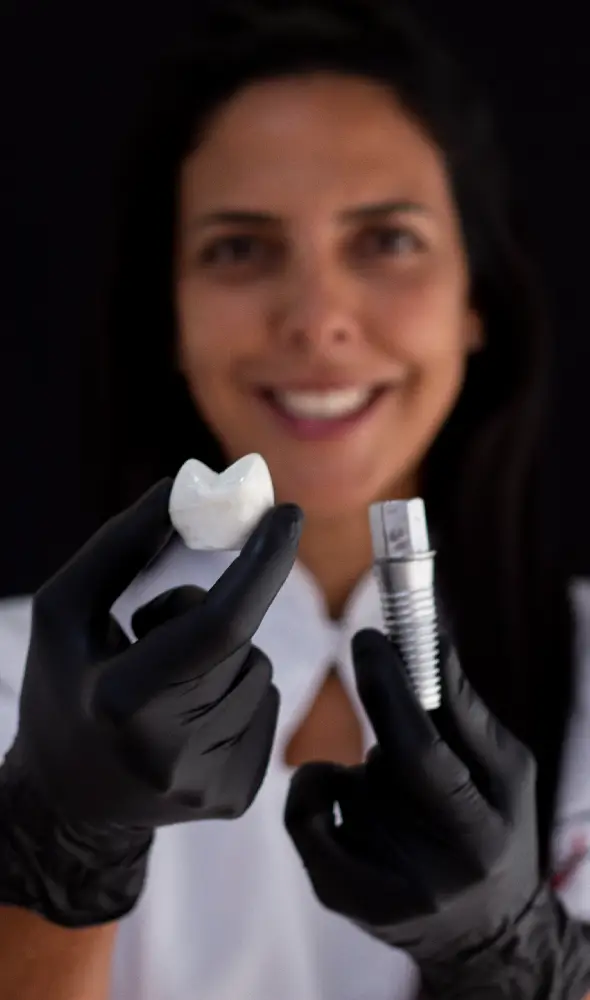 A dental implant is a long-lasting solution to replace missing teeth. A titanium post is placed in the jawbone and acts as an artificial tooth root. A crown that imitates the look and function of a natural tooth is then placed on top. The method is popular for its longevity, function and appearance, and is considered one of the most significant advances in modern dentistry.
The growing demand for dental implants is largely due to technological progress that has minimised the discomfort of the procedure. Implants also have several advantages over traditional solutions such as bridges or dentures, notably preventing bone loss and preserving the facial structure.
Contrary to what some people think, placing an implant is a highly precise and planned process, which reduces the need for extensive surgery and therefore the patient’s discomfort. The materials used, in particular titanium, are chosen for their high compatibility with the human body, which helps osseointegration — the integration of the implant with the bone — and provides a stable base for the crown.
Choosing a dental implant requires a thorough assessment by an experienced professional, who will evaluate the patient’s oral health and the condition of the bone for the implant to succeed. When there is not enough bone, bone grafting techniques may be recommended to prepare the mouth for the procedure.
Does a Dental Implant Hurt? The Truth
The question many people ask before deciding on a dental implant is: “Will it hurt to have the implant placed?” The answer, backed by many advances in dentistry, is that the discomfort is generally minimal and well managed with local anaesthesia. During placement, the patient feels no pain because the area is completely numb.
Pain perception is very subjective and varies from person to person, but dentists who specialise in implants are well equipped to keep their patients comfortable. After the procedure, some sensitivity and swelling in the area are normal, but they are temporary and easily controlled with painkillers prescribed by your dentist.
Advances in dental implant technology have also significantly reduced the post-operative impact. Techniques such as computer-guided surgery allow more precise implant placement, reducing surgery time and invasiveness. This means a faster, less painful recovery.
The key to a pain-free procedure is choosing a qualified, experienced professional. A good dentist will minimise discomfort during and after surgery and give clear post-operative instructions for a smooth recovery.
Myths and Facts About Pain from Dental Implants
When it comes to dental implants, several preconceived ideas can influence the decision to go ahead with treatment. Let us clear up some of the most common myths and facts:
Myth: The procedure is extremely painful
Current technology and anaesthesia techniques mean the implant procedure is carried out with as little discomfort as possible. Pain during surgery is a myth, as the patient is under local anaesthesia.
Fact: Sensitivity and swelling are common after surgery
After the implant is placed, some sensitivity and swelling are normal. These symptoms are temporary and can be managed with painkillers and measures such as applying ice.
Myth: Recovery is long and very painful
Although osseointegration (the implant fusing with the bone) takes a few months, most of the recovery in terms of pain and discomfort happens in the first few days. Modern techniques and proper follow-up make recovery faster and less painful.
Fact: The choice of professional affects the pain you feel
The dentist’s experience, skill and techniques can significantly affect both the success of the procedure and the level of discomfort. Choosing a professional experienced in dental implants is essential for a more comfortable experience.
Myth: Dental implants are not an option for people afraid of pain
Many people avoid the procedure for fear of pain, but with proper care and by following the dentist’s advice, the discomfort is perfectly manageable. There are also sedation options for more anxious patients.
Fact: Post-operative care is crucial to minimise pain
Following the dentist’s recommendations after implant placement is essential for a quick recovery with minimal discomfort. This includes proper oral hygiene, avoiding certain foods and, if needed, taking the prescribed medication.
Technology and Techniques to Minimise Pain When Placing Implants
The evolution of technology and techniques in modern dentistry plays a crucial role in reducing the pain associated with dental implants. These innovations improve the effectiveness of the procedure and make it more comfortable for the patient.
Digital Planning and Computer-Guided Surgery
Digital implant planning gives a precise view of the treatment area, making exact implant placement easier. Computer-guided surgery, which uses this digital plan, minimises the need for extensive incisions, resulting in less swelling and post-operative pain.
Conscious Sedation
For anxious patients or those afraid of feeling pain, conscious sedation is an effective solution. Ranging from oral sedatives to intravenous sedation, it keeps the patient relaxed and comfortable, without the anxiety of treatment.
Advanced Local Anaesthesia
Local anaesthesia has improved over the years, providing an effective pain block during the implant procedure. New anaesthetic formulations also last longer, covering the initial post-operative period, when discomfort could be more noticeable.
Minimally Invasive Techniques
Minimally invasive surgical techniques for implant placement significantly reduce trauma to soft tissue and bone. They contribute to a faster, less painful recovery, often allowing the patient to return to normal activities the day after the procedure.
Post-Operative Monitoring and Follow-up
Careful follow-up after implant placement is essential for a complication-free recovery. The dentist can prescribe painkillers if needed and will give detailed post-operative instructions, including proper oral hygiene and diet.
These innovations show how dentistry has evolved to offer more comfortable treatments with better results. Making sure you work with a dentist who uses these advanced technologies can make a big difference to your implant experience.
🦷 Related treatments at Atelier do Sorriso: Dental Implants · Immediate Load Implants
Post-Operative Care: How to Manage Discomfort
After a dental implant is placed, following your dentist’s advice is crucial for a quick recovery with as little discomfort as possible. Here are some essential guidelines:
Careful Oral Hygiene
Keep your oral hygiene meticulous but gentle to protect the implant site and surrounding tissue. Use a soft toothbrush and avoid brushing directly over the implant in the first few days. An antiseptic mouthwash, as recommended by your dentist, can help keep the area clean and free from infection.
Pain Medication
If your dentist prescribes painkillers or anti-inflammatories, take them as instructed. They help manage discomfort and can also reduce swelling and promote healing.
Suitable Diet
In the first few days, choose soft foods and avoid chewing directly on the implant site. Cold foods can help reduce swelling. Stay well hydrated, but avoid straws, as the suction can disturb the surgical site.
Avoid Certain Habits
Smoking or drinking alcohol can harm the healing process. It is advisable to avoid them in the weeks after the procedure for the best possible results.
Rest and Recovery
Allow yourself extra rest in the first few days. Although many patients return to their normal activities quickly, listening to your body and giving it time to recover can speed up healing.
Follow-up Appointments
Attend all the follow-up appointments with your dentist. They are essential to monitor healing and make sure the implant is integrating properly with the bone.