

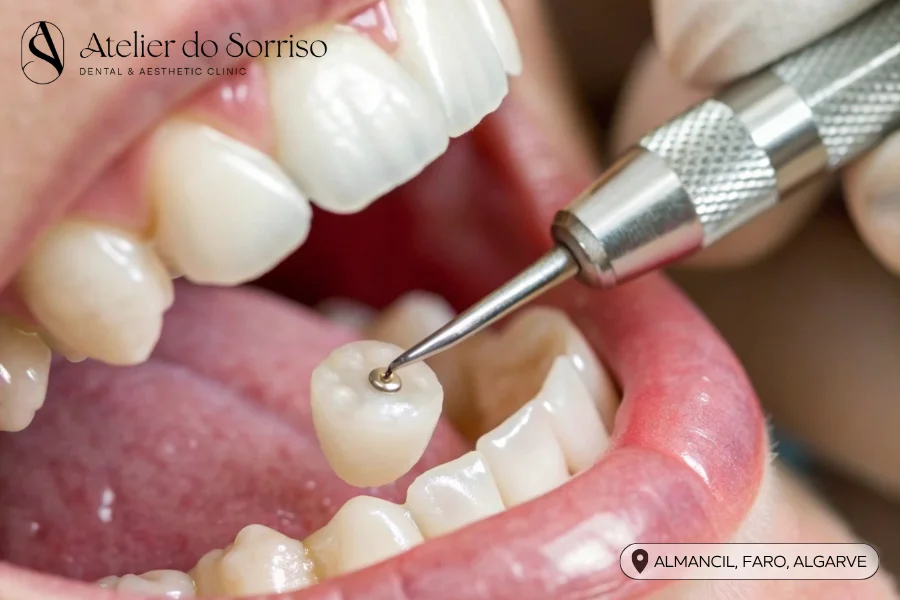
Dental crowns in the Algarve: protecting and rebuilding damaged teeth
Dental crowns play a key role in dentistry, restoring the function and appearance of compromised teeth.
As techniques and materials have evolved, crowns have become an effective solution for many dental problems.
Below we explain what dental crowns are, what they are used for, when they are indicated and the different types available, to help you understand when and how to choose this treatment.
What Are Dental Crowns?
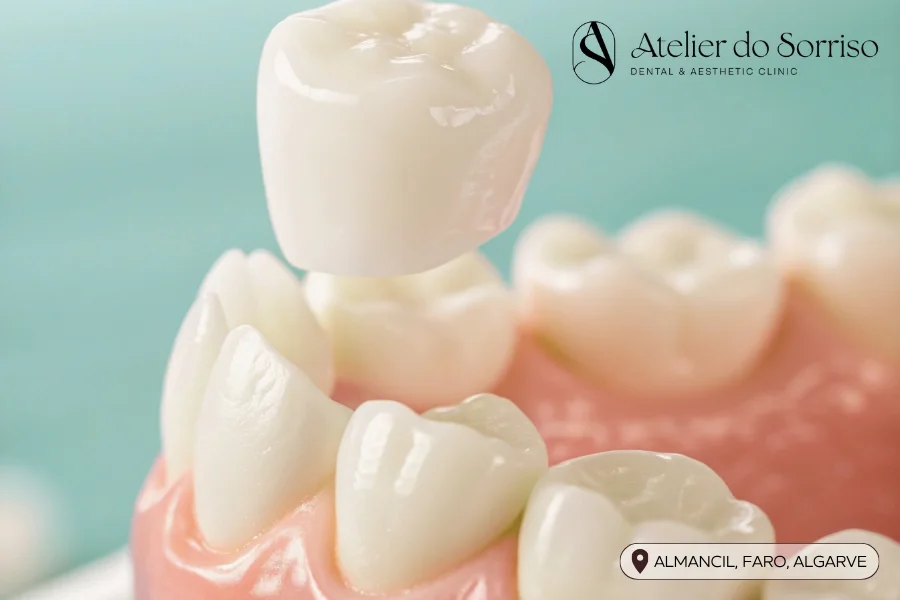
A dental crown is a fixed prosthesis that fully or partly covers a damaged tooth, restoring its shape, size, strength and appearance.
It works like a “cap” that protects and reinforces the remaining tooth structure, so the tooth can recover its normal function in the mouth.
What Are Dental Crowns For?
Dental crowns have several purposes in oral rehabilitation:
Restoring damaged teeth
They repair teeth with extensive decay, fractures or significant wear, giving back function and appearance.
Protecting weakened teeth
Teeth that have had root canal treatment or have large fillings may need crowns to prevent future fractures.
Improving dental aesthetics
Crowns can correct discolouration, changes in shape or alignment, for a more harmonious smile.
Supporting prostheses
They act as abutments for dental bridges, replacing missing teeth and keeping the dental arch intact.
Want to know if this treatment is right for you? Book an assessment.
When Are Dental Crowns Used?
Dental crowns are indicated in several situations:
Extensive decay
When decay has destroyed so much of the tooth that a simple filling cannot restore its structure.
Dental fractures
Teeth with significant fractures caused by trauma or wear need crowns to restore their integrity.
Severe tooth wear
Patients with bruxism or dental erosion can benefit from crowns to protect worn teeth.
After root canal treatment
Root-treated teeth tend to become more fragile and darker, so a crown is recommended to strengthen them and improve their appearance.
Aesthetic changes
To correct peg-shaped or discoloured teeth, or enamel defects that affect the look of the smile.
Types of Dental Crowns

There are different types of dental crowns, each with specific characteristics:
Temporary Crowns
Used temporarily while the permanent crown is being made. They protect the prepared tooth and maintain function and appearance in the meantime. They can be made of:
- Acrylic resin: A material commonly used for temporary crowns, offering an effective temporary solution.
- Composite resin: Another option for temporary crowns, with suitable aesthetic and functional properties for temporary use.
In children, stainless steel crowns can be used to protect baby teeth until a permanent crown can be fitted.
Permanent Crowns
Intended for permanent rehabilitation, they are made from durable, attractive materials:
- All-ceramic (porcelain): Excellent aesthetics, indicated for front teeth because they closely resemble natural teeth.
- Porcelain-fused-to-metal: Combines the strength of metal with the look of porcelain, a versatile option for back teeth.
- Zirconia: A very strong and attractive material, used for crowns that need durability and a natural look.
- Composite resin: Less durable than the options above, it can be used in specific cases, usually as a temporary solution or in areas with less chewing load.
The choice of crown depends on factors such as the position of the tooth, aesthetic needs, function and the patient’s budget.

FAQ: Frequently Asked Questions about Dental Crowns
What are the main benefits of dental crowns?
Dental crowns restore chewing function, protect weakened teeth, improve the look of the smile and extend the life of the treated teeth.
How long does a dental crown last?
With proper care, such as good oral hygiene and regular dental check-ups, a dental crown can last 10 to 15 years or more, depending on the material used.
Can crowns be used on any tooth?
Yes, crowns can be used on front teeth for aesthetic reasons and on back teeth that need greater functional strength.
What is the best material for a dental crown?
It depends on the need: all-ceramic is ideal for aesthetics, zirconia combines strength with a natural look, and porcelain-fused-to-metal crowns offer durability for back teeth.
How do I know if I need a dental crown?
Teeth with fractures, extensive decay, severe wear or root canal treatment are common candidates for crowns. An assessment by the dentist is essential to decide.
Is having a crown fitted painful?
No, fitting a dental crown is painless: it is done under local anaesthesia with modern techniques that keep the patient comfortable.
Can I be allergic to a dental crown?
It is rare, but some people may be sensitive or allergic to the metals used in porcelain-fused-to-metal crowns. In these cases, ceramic or zirconia is preferred.
Do dental crowns stain over time?
Ceramic and zirconia crowns resist staining, but it is important to limit foods that cause discolouration and to keep good oral hygiene.
Do dental crowns need special care?
As well as your usual oral hygiene, avoid biting hard objects or using your teeth as tools, to reduce the risk of damaging the crown.
How much does a dental crown cost in the Algarve?
The price depends on the material and the clinic, so you need to see the dentist for a personalised quote.
Related treatments
Book a Consultation in the Algarve
We are in the heart of the Algarve, conveniently close to Faro, Vilamoura, Quarteira and Loulé.
If you prefer, fill in the form.
Atelier do Sorriso:
Dental Crowns in the Algarve
Dental crowns cover and protect weakened, fractured or root-treated teeth, restoring shape, function and appearance. At Atelier do Sorriso we choose the type and material of each crown case by case.
Tooth Protection
The crown strengthens weakened teeth and stops them from fracturing.
Temporary and Permanent Crowns
A temporary crown protects the tooth while the permanent one is made.
Choice of Material
We recommend the most suitable material for the area of the mouth and the look you want.
Natural Look
The colour and shape of the crown match the neighbouring teeth.
Comfortable Procedure
Preparation is done under local anaesthesia, without pain.
Durability
With good hygiene and regular check-ups, a crown lasts for many years.
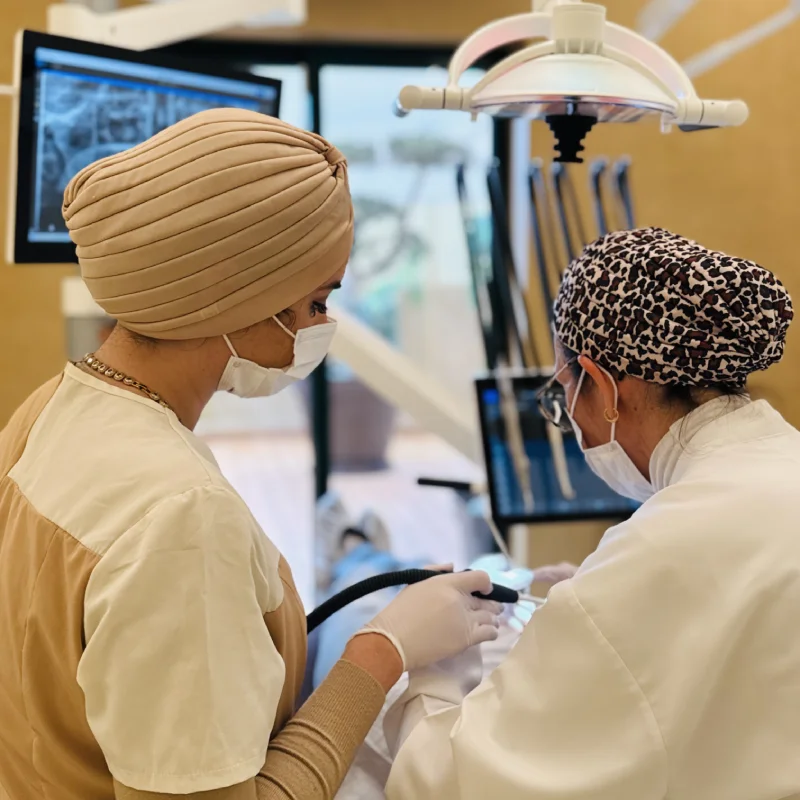
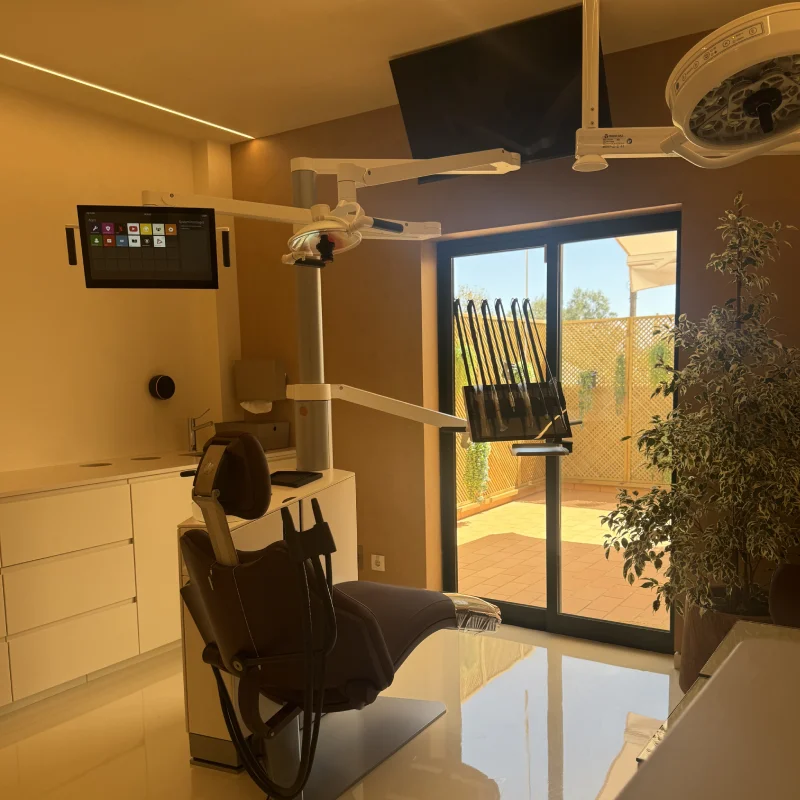
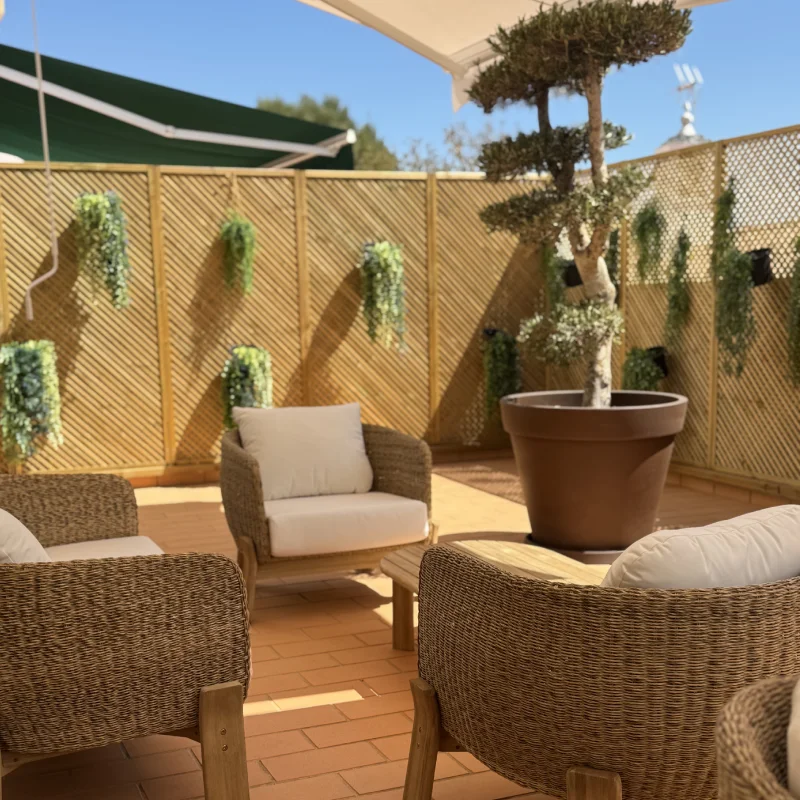
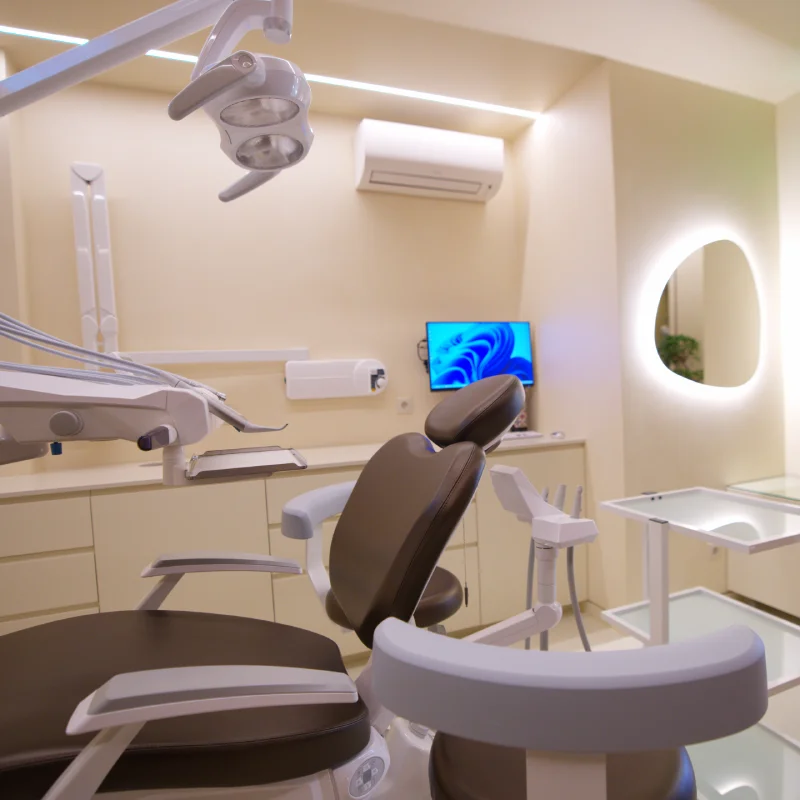
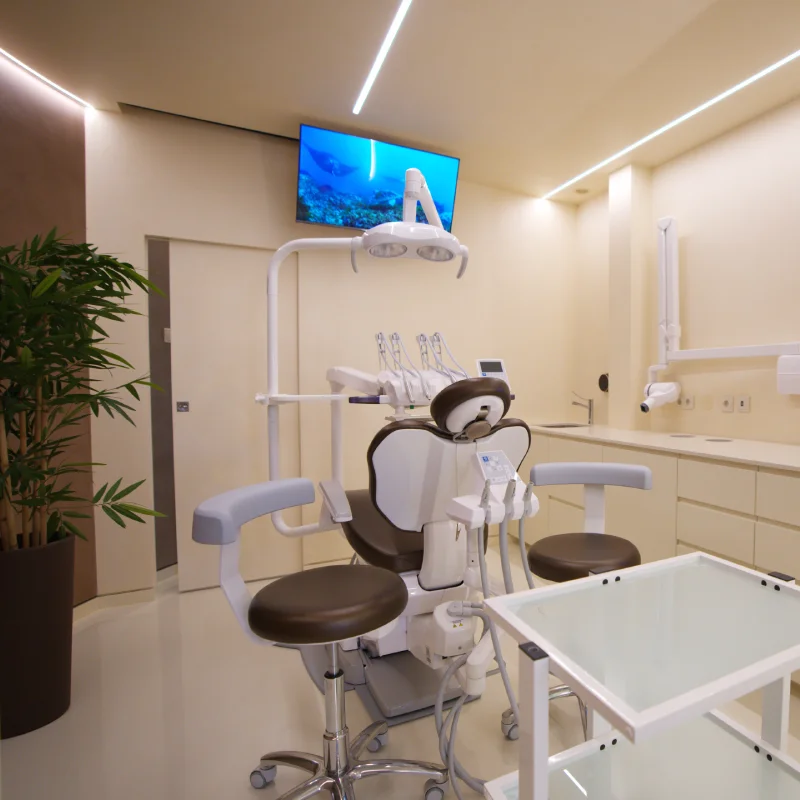
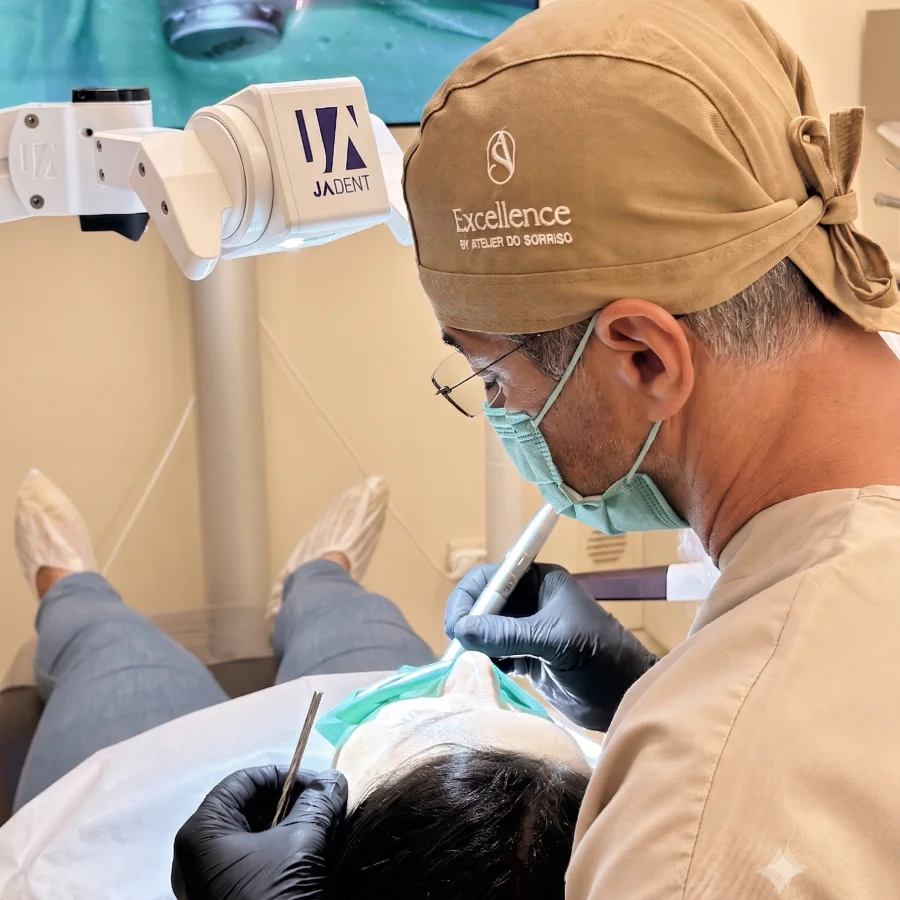
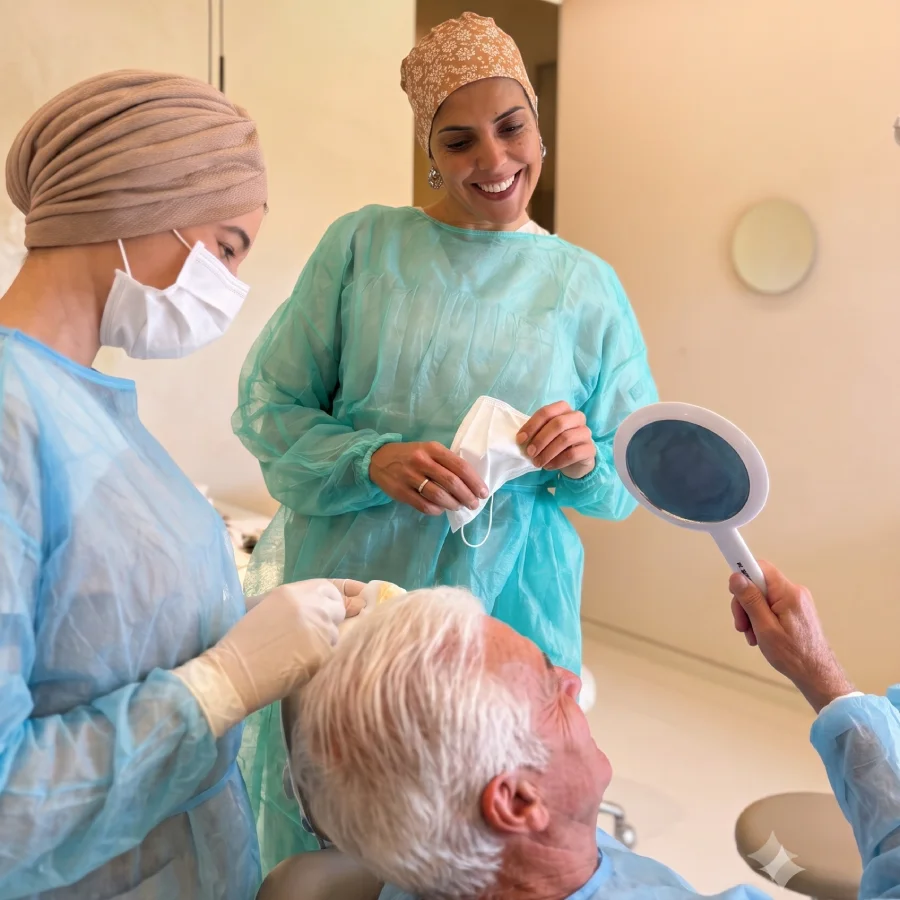
Photos of our clinic in Almancil, Algarve, where we fit dental crowns:
5-star rated on Google
Publicado em Google
Sile Harty28/10/2026Trustindex verifica se a fonte original da avaliação é Google.
I have been attending the clinic since 2024. Very friendly, professional and English speaking staff. I would highly recommend.Publicado em Google
Arthur Williams26/10/2026Trustindex verifica se a fonte original da avaliação é Google.
Excellent service Speak many languages I am very happy with service and high recommend this clinic And Celine is excellent on receptionPublicado em Google
Emmanuelle Guerreiro Guerreiro26/10/2026Trustindex verifica se a fonte original da avaliação é Google.
Excelente atendimento e excelente tratamento.Publicado em Google
Jan-Gerd van Senden25/10/2026Trustindex verifica se a fonte original da avaliação é Google.
Prettige tandartsPublicado em Google
Beatriz Santos23/10/2026Trustindex verifica se a fonte original da avaliação é Google.
Óptimo atendimento. Muitos profissionais. Procedimentos muito cuidadosos. Nada de dor associada! Agradeço em especial à Dra. Adriana e Dra. Marília 😊Publicado em Google
franck samouillan22/10/2026Trustindex verifica se a fonte original da avaliação é Google.
L’atelier do Sorriso ont une équipe médicale très professionnelle est compétente ainsi que l’équipe d’accueil très réactive