





Root canal treatment, often called root canal therapy or simply endodontic treatment, is one of the most common procedures in modern dentistry. Its main purpose is to preserve a tooth that has suffered deep damage — usually caused by extensive decay, trauma, or infection — avoiding the need for extraction.
Although it’s a well-established and frequently performed technique, many patients still have questions about exactly what root canal treatment involves, whether it hurts, what the associated risks are, and how the process works. Lack of information often leads patients to delay treatment, which can worsen the initial problem and lead to serious complications.
In this article, we’ll explore in detail what root canal treatment is, when it’s recommended, how it’s performed, the necessary aftercare, and the myths surrounding pain and risk. The goal is to clarify the main questions, based on clinical evidence, so you can make informed decisions about your oral health.
If you live in or visit the Algarve and are looking for a dental clinic in Almancil, Faro, Atelier do Sorriso offers a specialized team and cutting-edge technology for this and other endodontic treatments.
What Is Root Canal Treatment (Endodontics)?
Root canal treatment means removing the dental pulp, the tissue containing nerves and blood vessels located inside the tooth. When this structure is compromised by deep decay, a fracture, or an infection, it can no longer be preserved, and endodontic treatment becomes necessary to prevent total tooth loss.
Put simply, root canal treatment allows the root and outer structure to remain intact. This way, the patient keeps their own tooth instead of opting for extraction followed by an implant or denture.
Relevant Anatomy: Dental Pulp, Nerve, and Blood Vessels
A tooth is made up of three main layers: enamel, dentin, and pulp. The pulp is the innermost part, responsible for the tooth’s sensitivity and vitality. When it suffers irreversible inflammation (pulpitis) or necrosis, the tissue can no longer be saved. This is the point at which root canal treatment becomes necessary.
When Is Root Canal Treatment Necessary?
The decision to perform root canal treatment isn’t automatic. The dentist assesses each case using clinical exams and X-rays. Among the most common situations that call for it are:
- Extensive decay that has reached the dental pulp.
- Tooth fractures that expose the inner part of the tooth.
- Trauma that causes pulp necrosis.
- Infections or abscesses affecting the root.
- Previously failed treatments requiring endodontic retreatment.
Each of these situations calls for prompt intervention, to relieve pain, control infection, and preserve as much of the natural dentition as possible.
The Step-by-Step Root Canal Procedure
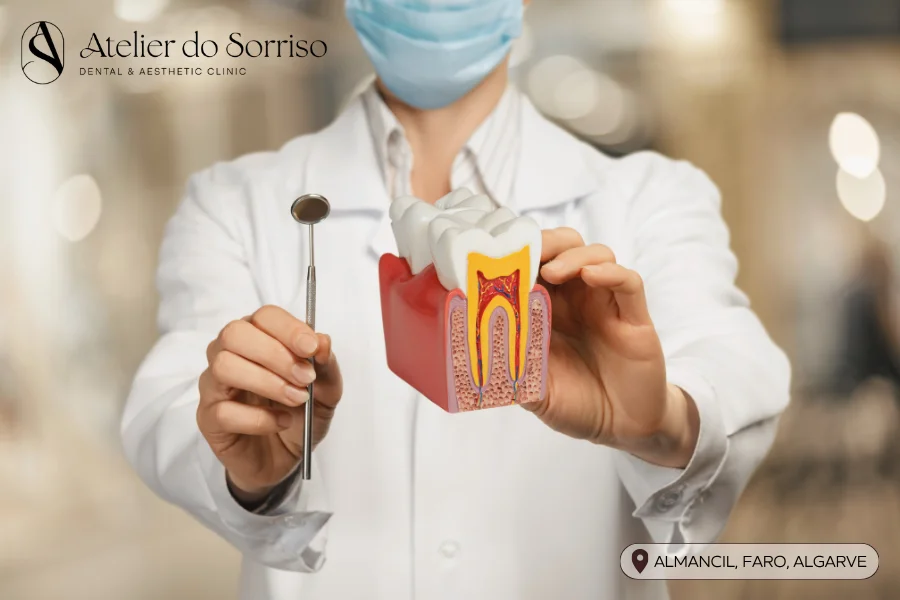
Contrary to what many people imagine, root canal treatment is carried out in a structured way, using modern techniques that reduce discomfort and increase the success rate.
Initial Diagnosis
The first step involves a detailed clinical assessment. The dentist reviews symptoms, performs sensitivity tests, and uses periapical X-rays to check the extent of decay, inflammation, or infection. Only after this diagnosis can the need for root canal treatment be confirmed.
Anesthesia and Isolation
Once diagnosed, treatment begins under local anesthesia, ensuring the patient’s comfort throughout the procedure. A rubber dam is then applied to isolate the tooth, preventing contamination from saliva and ensuring safer disinfection.
Accessing the Root Canal
The dentist creates a small opening in the crown of the tooth to reach the pulp and root canals. This is where removal of the damaged tissue begins.
Cleaning and Disinfection
The canals are carefully instrumented with endodontic files, while disinfecting irrigants eliminate bacteria and tissue remnants. This step is crucial to prevent future reinfection.
Filling and Sealing
After cleaning, the canals are filled with a biocompatible material — usually gutta-percha — that fully seals the internal space. This prevents new bacteria from entering.
Final Restoration
Treatment ends with a restoration or, in some cases, the placement of a dental crown, which restores the shape, function, and strength of the treated tooth.
On average, root canal treatment can take between one and three appointments, depending on the case’s complexity and the number of canals treated.
Does Root Canal Treatment Hurt? What You Feel During and After
One of the most common questions patients have is whether root canal treatment hurts. The answer is clear: with today’s methods, treatment is performed under local anesthesia, which eliminates virtually all pain during the procedure.
Pain During Root Canal Treatment
Thanks to anesthesia, the patient only feels slight pressure or vibration from the instruments. The use of modern techniques, such as rubber dam isolation and rotary files, makes the process faster and more precise. The sensation is one of controlled discomfort, not pain.
Pain After Root Canal Treatment
After root canal treatment, some degree of sensitivity or mild pain for a few days is common. This discomfort comes from residual inflammation of the tissues around the root and tends to fade with simple pain relievers and proper care.
When Pain Deserves Attention
If pain is intense, persistent, or accompanied by swelling, it may indicate a complication, such as a persistent infection or a root fracture. In these cases, it’s essential to contact the dentist for a reassessment.
“A properly root-canal-treated tooth shouldn’t keep hurting long-term. If it does, that’s a sign something isn’t right and needs to be reviewed.”
In short, root canal treatment shouldn’t be feared for the pain it causes. On the contrary, it’s often the solution that eliminates intense pain caused by decay or infection in the dental pulp.
Risks and Complications of Root Canal Treatment
Although it’s a safe, routine procedure, root canal treatment can present some complications, especially when it isn’t performed with the right technique and follow-up.
Persistent or Recurring Infection
In some cases, bacteria may remain inside the root canals or infiltrate later through poorly fitted restorations. This can lead to pain, swelling, and even the need for endodontic retreatment.
Fracture of the Treated Tooth
A root-canal-treated tooth loses some natural elasticity due to the absence of the dental pulp. This increases the risk of fractures, especially in back teeth, which bear a greater chewing load. For this reason, placing a dental crown is often recommended to protect the tooth structure.
Root Canal Treatment Failure
Although rare when performed under ideal conditions, root canal treatment can fail due to untreated accessory canals, complex anatomy, or bacterial infiltration. In these cases, the procedure may need to be repeated or, in some cases, apical surgery may be required.
Other Rare Effects
Less common complications include root resorption, an allergic reaction to endodontic materials, or prolonged discomfort after filling. These are uncommon situations, but possible.
That’s why choosing a clinic with experience in endodontics and access to technologies such as a clinical microscope, magnifying loupes, and advanced irrigation systems is essential to reduce risks and increase the treatment’s durability.
Alternatives to Root Canal Treatment
The decision to perform root canal treatment isn’t always the first option. Depending on how compromised the dental pulp is, there are alternatives that can preserve the tooth’s vitality.
Conservative Pulp Treatments
When inflammation is still reversible, therapies such as these can be used:
- Direct or indirect pulp capping – applying specific materials over exposed dentin to stimulate repair.
- Partial or full pulpotomy – removing only the inflamed part of the pulp, keeping the root’s vitality.
These procedures are more common in young teeth or when the damage hasn’t reached the entire pulp.
Tooth Extraction and Implant
In cases of extensive infection or fractures that can’t be restored, tooth extraction may be unavoidable. In these situations, the most suitable solution is placing a dental implant, which restores chewing function and appearance. While it’s an effective option, it should only be considered once root canal treatment is no longer viable.
Each case must be assessed individually. The dentist looks at factors such as age, root condition, depth of decay, and the possibility of reconstruction. The goal is always to preserve the natural tooth whenever possible, since it offers greater comfort and durability compared to dentures or implants.
Aftercare and Recommendations Following Root Canal Treatment
After root canal treatment, it’s essential to follow certain guidelines to ensure proper healing and extend the treatment’s durability.
Specific Oral Hygiene
Keeping up a strict brushing and flossing routine is essential. Even without a pulp, a treated tooth remains susceptible to external decay and gum problems.
Eating in the First Few Days
It’s advisable to avoid very hard or sticky foods until the final restoration or crown is placed. This reduces the risk of fracture or infiltration during the healing process.
Follow-Up Visits
Follow-up appointments with the dentist, along with follow-up X-rays, allow the team to monitor whether the tooth has healed properly and check for any signs of residual infection.
When to Contact the Dentist
If intense pain, swelling, or a feeling of pressure that doesn’t ease after a few days appears, you should contact the dentist right away. These signs may indicate complications that need prompt intervention.
A well-treated root canal tooth can stay healthy and functional for decades, provided it receives the right follow-up and care.
Frequently Asked Questions About Root Canal Treatment (FAQ)
Below are some of the most common questions from patients who need root canal treatment.
How Long Does Root Canal Treatment Take?
The duration depends on the number of canals and the complexity of the case. On average, it can range between one and three appointments, with molars generally requiring more time due to their higher number of root canals.
What Is the Cost of Root Canal Treatment?
The cost of root canal treatment varies depending on the tooth treated (incisor, premolar, or molar), the technology used, and whether a restoration or crown is needed. Each clinic sets its own prices, so it’s best to have an assessment done to get a personalized quote.
Can a Root Canal-Treated Tooth Hurt Again?
Yes. If the infection isn’t fully eliminated, or if there’s infiltration through a faulty restoration, the tooth can start hurting again. In these cases, endodontic retreatment is needed.
How Can I Extend the Life of a Root Canal-Treated Tooth?
The main precautions include:
- Placing a dental crown on more fragile teeth.
- Maintaining strict oral hygiene.
- Attending regular follow-up appointments.
- Avoiding biting into excessively hard foods, which can cause fractures.
Does a Root Canal-Treated Tooth Change Color?
In some cases, the tooth can darken over time. This can be corrected with internal whitening techniques or aesthetic solutions such as dental veneers or crowns.
Why Choose Atelier do Sorriso for Root Canal Treatment in the Algarve
Choosing where to have root canal treatment done matters just as much as deciding to have the treatment at all. The clinic you choose directly affects your comfort, safety, and the durability of the results.
Cutting-Edge Endodontic Technology
At Atelier do Sorriso, we use tools such as clinical microscopes, magnifying loupes, and modern irrigation systems, which increase precision and reduce the risk of failure in root canal treatment. This equipment helps identify accessory canals that are often invisible to the naked eye.
Experience and Specialization
Our team is made up of dentists with advanced training in endodontics, experienced in handling complex cases. This experience translates into faster, more effective treatments with a higher success rate.
Patient Comfort and Safety
All procedures are performed under local anesthesia and using techniques that prioritize the patient’s well-being. The clinic’s welcoming environment also helps reduce the anxiety commonly associated with root canal treatment.
Prime Location
We’re located in Almancil, Faro, in the heart of the Algarve, a central, easily accessible region for both residents and international visitors seeking dental care during their stay.
By choosing Atelier do Sorriso, you’ll find a clinic that combines technology, experience, and personal attention, ensuring your root canal treatment is carried out to the highest standard.
Restore Your Smile Safely and Confidently
The decision to have root canal treatment can raise doubts, but it’s often the necessary step to preserve your oral health and avoid more serious problems. The treatment is safe, painless when properly performed, and keeps your own tooth healthy for many years.
Delaying this type of procedure can worsen infections, increase the risk of tooth loss, and even affect other areas of the mouth. That’s why seeking specialized help at the right time makes all the difference.
At Atelier do Sorriso, in Almancil, Faro, we bring together cutting-edge technology, clinical expertise, and personalized care so every patient feels safe throughout the process.
If you need an assessment for possible root canal treatment or have symptoms such as persistent pain, sensitivity, or infection, book your consultation with us and get excellent treatment in the Algarve.
Book Your Root Canal Treatment Now in the Algarve
Give your smile the care it deserves — with confidence, clarity, and safety.
📍 Address: Rua João de Deus, Lote 1C, Almancil, Algarve (View on Maps)